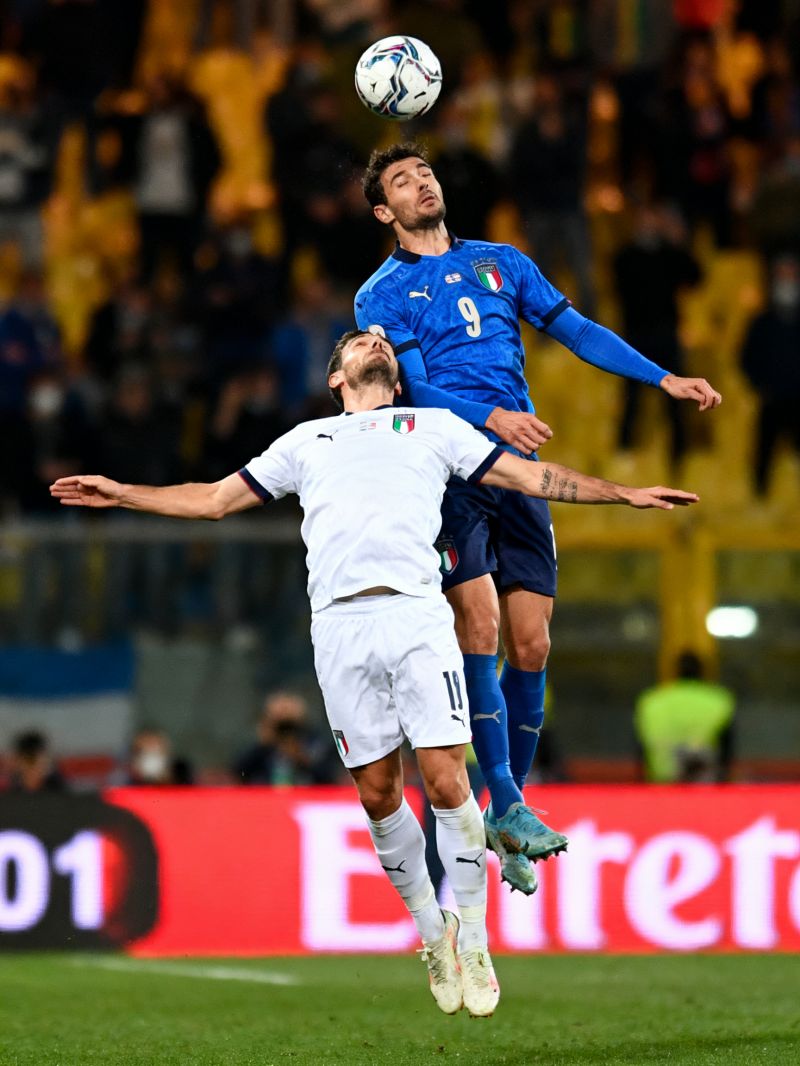
Fiorentina vs Como rarely tops the Serie A billing, yet the fixture carries a quiet intensity that rewards closer inspection. When the two sides met at the Stadio Artemio Franchi in October 2024, the 2-1 scoreline flattered Como for long stretches. Fiorentina’s midfield, anchored by the ageless Giacomo Bonaventura。pressed Como into submission for the first half-hour. What struck me most was the disparity in build-up play: Fiorentina completed 89% of their passes in the attacking third, while Como’s back line, missing the injured Alberto Dossena, resorted to hopeful long balls that kept bouncing off Nikola Milenković’s forehead. That may sound like a mismatch, but Como’s second-half adjustment—switching to a 4-4-2 and targeting Fiorentina’s tiring full-backs—nearly stole a point. The game was a microcosm of this matchup’s odd dynamic: technical superiority against stubborn resilience.Historically, Fiorentina vs Como has been more sporadic than fierce. The clubs last shared a Serie A season in 2003-04, when Como were relegated after a dismal campaign. Before that, the 1980s offered a few memorable scraps, including a 1986 Coppa Italia tie that ended with three red cards. Como’s recent return to the top flight has revived the fixture, but the gap in resources remains stark. Fiorentina’s wage bill is roughly three times Como’s, and the Viola’s training ground at Campini is a different world from Como’s modest Sinigaglia setup. That financial disparity doesn’t always translate on the pitch, though—Como’s 1-0 win at the Sinigaglia in February 2025, courtesy of a Patrick Cutrone header。
proved that organization can trump talent. I watched that match on a dodgy stream, and the sheer noise from the 7,000-strong crowd when the goal went in was genuinely impressive. Small stadiums amplify drama.Tactically, Fiorentina vs Como tends to hinge on how the Viola handle Como’s low block. Under Vincenzo Italiano, Fiorentina’s default is a high line and quick vertical passes, which can leave them exposed to counters. Como, coached by Cesc Fàbregas since 2024, have embraced a pragmatic。counter-attacking identity—a bit ironic given Fàbregas’s playing style. In the October meeting, Fiorentina’s first goal came from a set piece, a near-post flick from Lucas Martínez Quarta. Their second was a textbook transition: a Como corner cleared, three passes, and a low finish from Moise Kean. Como’s response?A scrappy, deflected strike from Gabriel Strefezza that gave them hope. The pattern repeats: Fiorentina dominate possession but leave gaps;Como sit deep but pounce on mistakes. It’s not a classic rivalry, but it’s a fascinating tactical chess match, especially when Fiorentina’s concentration wavers. They’ve dropped points from winning positions in four of their last ten home games against promoted sides—a stat that should worry Italiano.Looking ahead, Fiorentina vs Como could become a more regular fixture if Como stabilize in Serie A. The Lombardy club’s ownership has invested in youth, and the loan signing of Fiorentina’s Alessandro Bianco suggests a growing, if cautious, relationship between the clubs. For Fiorentina, these matches are a test of professionalism: they should win comfortably, but Como’s grit makes them awkward. I’d argue the Viola need to treat this fixture with the same seriousness as a derby against Juventus—not because Como are as strong。
but because complacency is their Achilles’ heel. The next meeting at the Sinigaglia in April will tell us whether Fàbregas has learned to exploit Fiorentina’s full-back weaknesses or whether Italiano’s side have tightened up. Either way, Fiorentina vs Como is a fixture worth watching for the small details—a misplaced pass here, a late tackle there—that define Italian football’s middle class.